Flowering plants of the Gambia – A botanical journey in Africa’s smallest country
Our October speaker was Dr Mike Jones talking to us about ‘Flowering Plants of the Gambia – A Botanical Journey in Africa’s Smallest Country’.
A map introduced us to the country and we were able to see how narrow and long it was, completely surrounded by Senegal and with the Gambia river flowing through it. Mike and his wife were in country volunteering through BESO. He was teaching science in a local school. In his spare time he made a study of Gambian flora especially flowering shrubs and subsequently wrote a book about them.
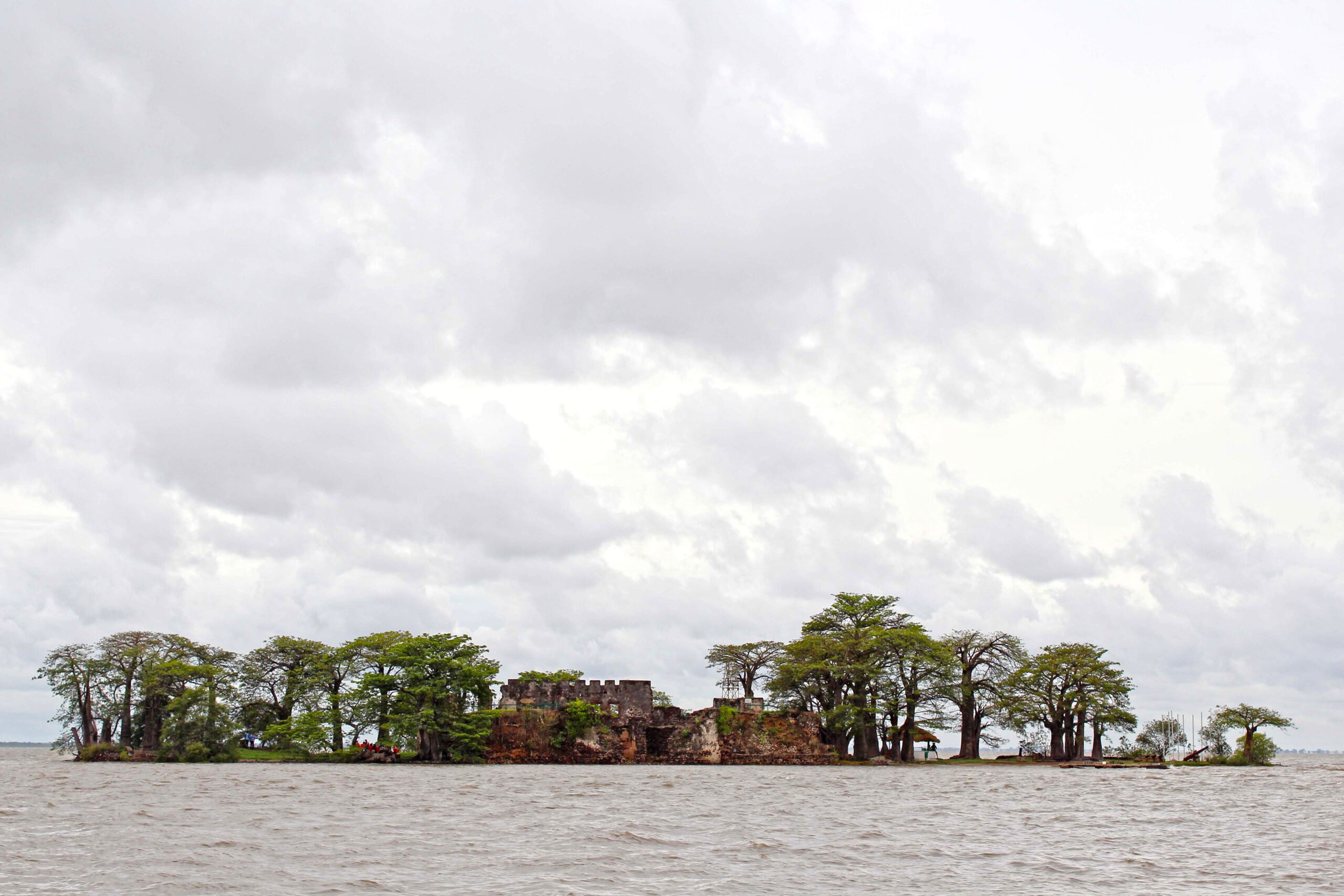
Amongst the interesting slides of plants were pictures of the Ceiba tree commonly known as the Kapok tree, a massive, culturally significant tree found in towns, villages and along riverbanks. Another important tree is the Baobab, Adansonia digitata named after a French biologist. Known as the tree of life because every part provides food, shelter or medicine. Numerous ancient Baobabs are found on Kunta Kinteh island (formally known as James Island) a UNESCO world heritage site tied to the trans Atlantic slave trade. Mike also introduced us to facultative epiphytes – plants that grow either on other plants (non – parasitically) or directly on soil or rock such as Ficus and ferns and orchids. A far more harmful parasitical plant called Witchweed, Striga hermonthica is a highly destructive agricultural pest responsible for an estimated 8% reduction in overall cereal crop yields across the country.
His talk was a fascinating glimpse inside the flora of a West African country with a very hot tropical savannah climate year – round with two main seasons : a long dry season and a short rainy season.